
The field of aging and geriatric nutrition underscores the essential role of diet in preserving health, functionality, and quality of life in older adults. Nutritional strategies are tailored to address age-related challenges such as sarcopenia (muscle loss), immunosenescence (weakened immunity), and cognitive decline. Adequate intake of key nutrients—including omega-3 fatty acids, antioxidants, and B vitamins—is critical for supporting brain function, reducing inflammation, and mitigating the risk of chronic diseases. This discipline also involves personalized dietary modifications to accommodate specific conditions common in older adults, such as dysphagia or dental issues, which may impair food intake. By recognizing and addressing the evolving nutritional needs of aging populations, geriatric nutrition plays a vital role in promoting longevity, enhancing health outcomes, and improving overall well-being.

The field of nutritional science is undergoing rapid advancements that are transforming our understanding of the relationship between diet and health. A key area of progress lies in the exploration of metabolic pathways and the role of specific nutrients in disease prevention and health optimization. Notably, developments in nutrigenomics have provided deeper insights into how food interacts with the genome, enabling personalized nutrition strategies based on individual genetic profiles. In parallel, there is increasing emphasis on sustainable nutrition, with growing research on the health benefits and environmental implications of plant-based diets. The integration of digital health technologies and artificial intelligence into nutrition research further enhances the capacity to monitor, assess, and personalize dietary recommendations. These innovations are paving the way for more precise, effective, and individualized approaches to nutrition and health management.

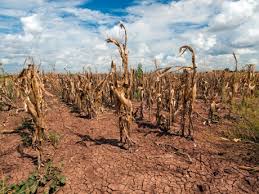
Climate change and food supply are deeply interconnected, as environmental shifts significantly impact the availability, quality, and sustainability of global food sources. Rising temperatures, altered precipitation patterns, and the increasing frequency of extreme weather events disrupt agricultural productivity, leading to reduced crop yields and heightened threats to food security. These challenges are especially pronounced in vulnerable regions, where climate-related stress on resources such as water, soil, and biodiversity is more acute. As a result, global food production patterns are shifting, with certain crops becoming less viable in traditional growing regions, while others may become better suited to emerging climate conditions. To address these challenges, adaptation strategies—including the development of climate-resilient crop varieties, implementation of sustainable agricultural practices, and innovation in food production systems—are critical for ensuring a stable and secure food supply in a changing climate.
Clinical Nutrition and Therapeutic Diets play a vital role in the management and treatment of various health conditions. By emphasizing individualized nutritional plans, these approaches support recovery, aid in the management of chronic diseases, and promote overall well-being. Therapeutic diets are specifically formulated to address the unique needs of individuals with medical conditions such as diabetes, cardiovascular disease, obesity, and gastrointestinal disorders. These diets ensure an appropriate balance of nutrients to support healing, alleviate symptoms, and prevent further health complications. Healthcare professionals, particularly registered dietitians, assess patients’ nutritional status to deliver targeted dietary interventions that enhance the effectiveness of medical treatment. Through this integrative and patient-centered approach, Clinical Nutrition and Therapeutic Diets significantly contribute to improved clinical outcomes and a higher quality of life.
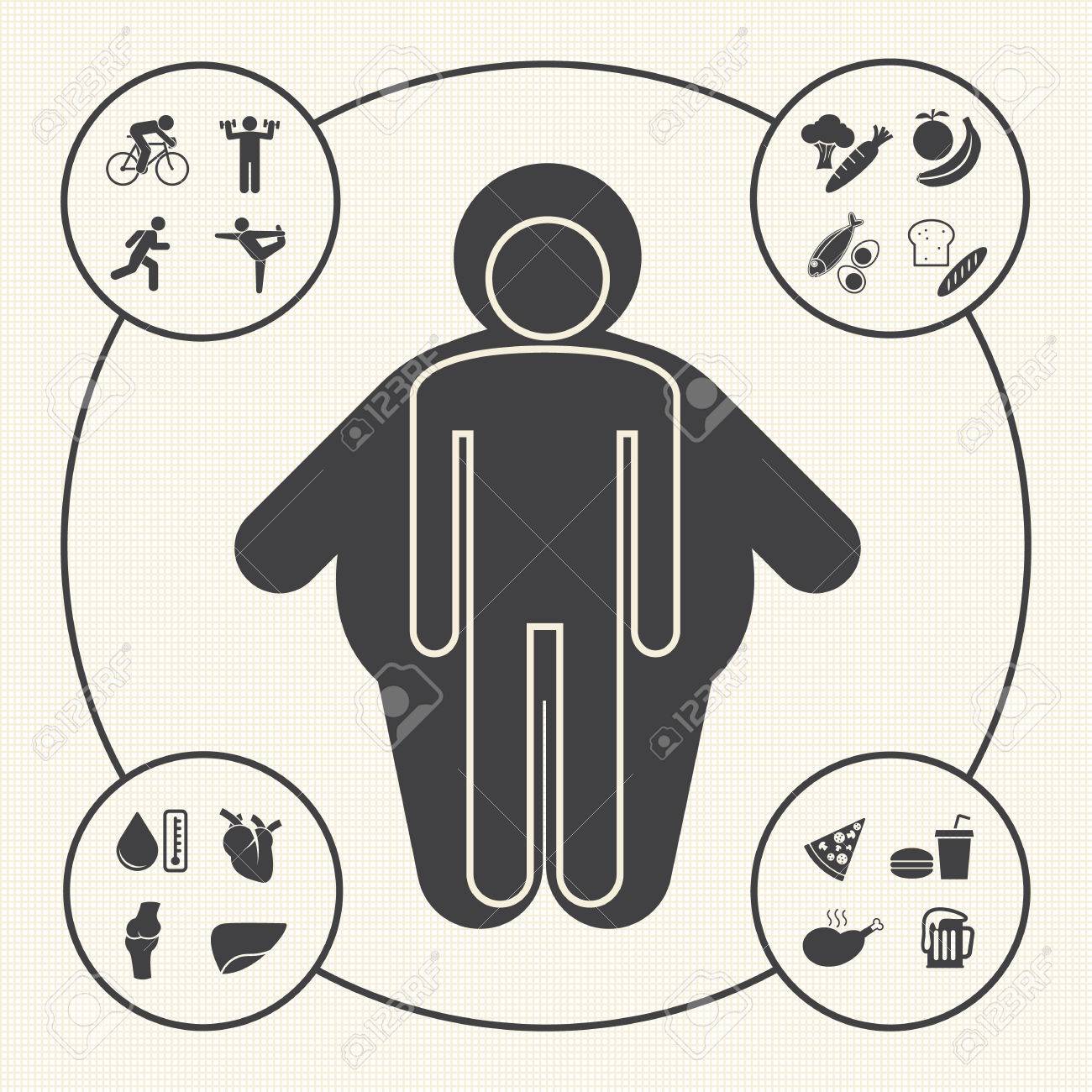
A growing body of scientific research confirms that the food we consume has a profound impact on our health. Dietary modifications can help prevent or manage numerous health conditions, including obesity, diabetes, cardiovascular disease, and certain types of cancer. Dietetics is the scientific study of how nutrition and diet affect human health, with a strong emphasis on public health and education. The field is dedicated to promoting healthy eating habits across diverse populations. Registered dietitian nutritionists (RDNs) and nutrition and dietetic technicians, registered (NDTRs) work collaboratively to provide nutrition therapy, consultation, and general nutrition education. These professionals use evidence-based practices to help individuals improve their health through personalized nutrition plans and food science. Their responsibilities extend beyond clinical care to include supervising food service operations, developing therapeutic diets, participating in research, and conducting educational programs for individuals and communities.

Health is more than just the absence of disease; it is a dynamic and holistic state that encompasses physical, social, cognitive, emotional, and spiritual well-being. At the foundation of good health—and at the forefront of disease prevention—is optimal nutrition, which involves consuming all essential nutrients in the appropriate types and amounts. The foods we eat, and the nutrients they provide, represent one of the most significant long-term environmental influences on human growth, development, functional ability, and overall health. A balanced, nutritious diet supports normal growth and development in children and significantly reduces the risk of chronic conditions such as obesity. For adults, healthy eating patterns are associated with increased longevity and a lower likelihood of developing noncommunicable diseases, including heart disease, type 2 diabetes, and certain cancers. In individuals already living with chronic illnesses, proper nutrition can help manage symptoms and prevent complications. When combined with regular physical activity and sufficient sleep, a nutritious diet plays a vital role in promoting healthy development and preventing obesity, especially in children and adolescents.
Emerging trends in nutrition research are transforming the way dietary guidelines and health interventions are developed and implemented. A significant focus is the investigation of the links between nutrition and chronic diseases—such as diabetes, obesity, and cardiovascular conditions—with growing emphasis on uncovering the underlying molecular and biochemical mechanisms. In parallel, advancements in gut microbiome research are offering new insights into the relationship between digestive health and overall wellness, prompting the development of targeted dietary strategies to support a healthy gut ecosystem. Another major trend is the integration of digital health technologies, including mobile applications, wearable devices, and artificial intelligence tools, which enable more precise monitoring, analysis, and personalization of individual dietary patterns. These innovations are expanding the capabilities of nutrition science and supporting a shift toward more personalized, preventive, and evidence-based approaches to health and nutrition.
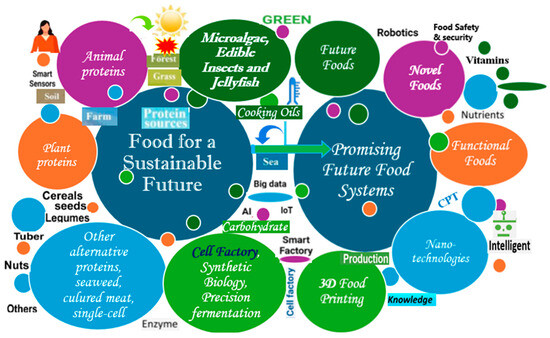
Evidence-based diets are structured to promote optimal health by integrating the latest and most rigorous scientific research in the field of nutrition. These dietary approaches are grounded in data from population studies, randomized controlled trials, and meta-analyses, which help identify the most effective nutritional patterns for preventing and managing chronic conditions such as diabetes, hypertension, and obesity. Unlike fad diets or anecdotal recommendations, evidence-based diets emphasize the consumption of nutrient-dense foods with well-documented health benefits—such as fiber-rich whole grains, antioxidant-rich fruits and vegetables, and omega-3 fatty acids. By adopting an evidence-driven approach to eating, individuals can make informed dietary decisions that not only reduce the risk of disease but also support mental well-being, physical performance, and long-term health. Moreover, these diets often align with principles of sustainability, contributing to healthier lifestyles and more responsible food systems.

Food Chemistry and Biochemistry are foundational disciplines that deepen our understanding of the composition, transformation, and nutritional effects of food. By studying macronutrients, micronutrients, enzymes, and bioactive compounds, these fields reveal how food components interact at the molecular level—affecting texture, flavor, shelf life, and health outcomes. Advances in analytical methods have enhanced our ability to assess nutrient bioavailability, detect food contaminants, and evaluate the impact of processing on nutrient retention and food quality. Biochemical research also plays a vital role in the development of functional foods, nutrient fortification strategies, and innovative preservation techniques aimed at improving both the safety and nutritional value of food. As consumer demand for healthier, more sustainable food products continues to rise, Food Chemistry and Biochemistry are at the forefront of innovation in food formulation, processing, and nutritional optimization.

Food processing and preservation technologies are essential for ensuring food safety, extending shelf life, and maintaining nutritional integrity. Innovative techniques such as high-pressure processing (HPP), freeze-drying, and irradiation effectively reduce microbial contamination while preserving the sensory and nutritional qualities of food. Emerging non-thermal technologies—including pulsed electric fields (PEF) and cold plasma treatment—offer promising alternatives that minimize nutrient loss and maintain food texture and flavor. Additionally, advancements in smart packaging—such as oxygen absorbers, moisture regulators, and antimicrobial films—play a critical role in enhancing food preservation, improving safety, and reducing food waste. As consumer demand grows for sustainable, minimally processed food options, the field of Food Processing and Preservation Technologies continues to evolve, driving innovation toward a more efficient, resilient, and environmentally conscious global food system.

Food Safety, Quality Control, and Regulatory Affairs are critical components in safeguarding public health and maintaining consumer confidence in the global food industry. Advanced quality assurance systems—such as Hazard Analysis and Critical Control Points (HACCP) and ISO certifications—play a key role in detecting contaminants, preventing foodborne illnesses, and ensuring consistency in product quality. The integration of cutting-edge technologies, including blockchain and AI-driven analytics, has further improved traceability, transparency, and accountability throughout the food supply chain. Regulatory authorities such as the Food and Drug Administration (FDA), European Food Safety Authority (EFSA), and the World Health Organization (WHO) continually update food safety standards to address emerging risks and adapt to technological advancements. Strengthening compliance with these evolving regulations not only protects consumers but also promotes global trade, enhances industry credibility, and fosters competitive market practices. As food systems become more complex, the integration of rigorous safety protocols, robust quality control measures, and dynamic regulatory frameworks remains essential to ensuring a safe, sustainable, and resilient food supply.
Nutrition research within the field of Food Science and Technology plays a pivotal role in deepening our understanding of the complex relationship between food, nutrients, and human health. This research spans a wide array of topics, including dietary patterns, food composition analysis, nutrient bioavailability, and the impact of food processing on nutritional quality. Scientists in this field examine how various food components interact with the human body, with the goal of optimizing dietary strategies for diverse populations and health conditions. The use of advanced technologies—such as genomics, metabolomics, and nutrigenomics—has revolutionized our ability to explore the molecular mechanisms underlying food metabolism and its influence on health outcomes. This interdisciplinary approach integrates principles from biology, chemistry, and technology to support innovations in functional food development, personalized nutrition, and evidence-based dietary guidelines. Ultimately, this research contributes significantly to public health by informing nutritional interventions that enhance well-being and reduce the risk of diet-related diseases.
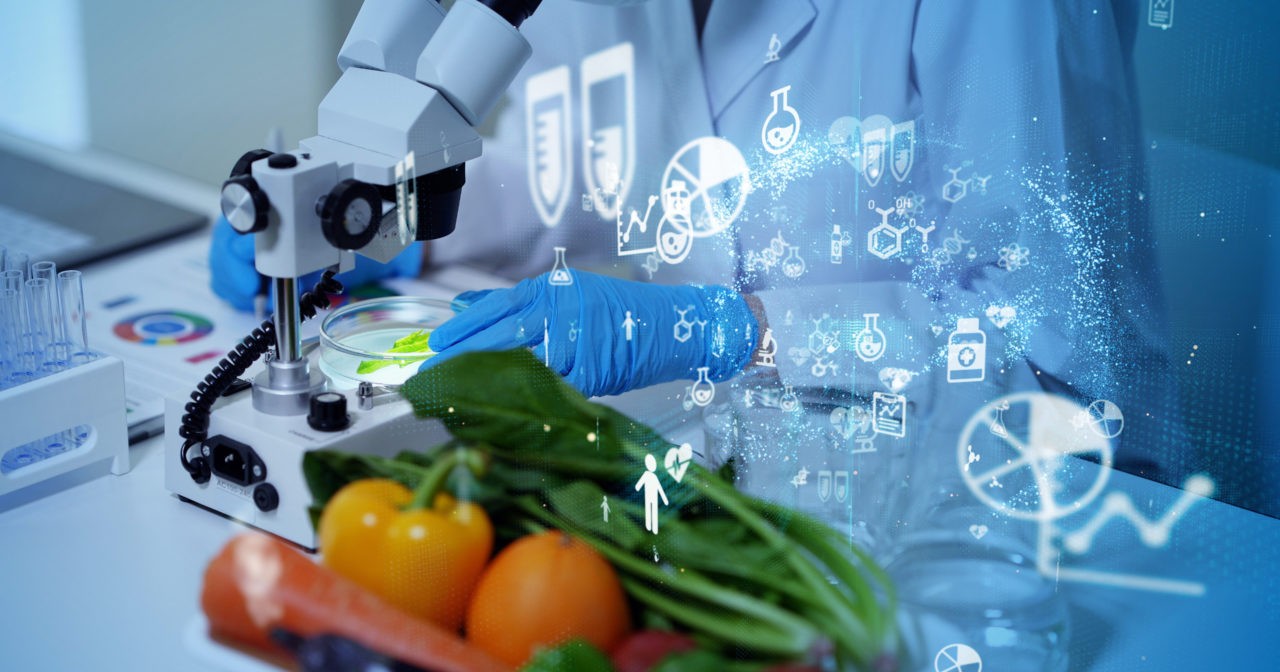
Functional foods are dietary components that, beyond providing essential nutrients and energy, positively influence specific physiological functions or help reduce the risk of certain diseases. While they are not essential for survival and do not directly treat or cure illnesses, they contribute to improved health outcomes when included as part of a balanced diet. Often referred to as nutraceuticals, functional foods offer both nutritional and therapeutic benefits. Examples include natural foods rich in antioxidants, fortified dairy products, citrus fruits, whole grains, and dietary supplements containing vitamins, minerals, and herbal extracts. These foods or food-derived substances are often used for specialized therapeutic purposes, aiming to support or enhance specific bodily functions.

The global crisis of malnutrition and food security underscores persistent inequalities in access to adequate and nutritious food across populations. Malnutrition—in all its forms, including undernutrition, micronutrient deficiencies, and obesity—continues to disproportionately affect vulnerable groups, particularly children and women in low- and middle-income countries. Food security aims to ensure that all individuals have consistent access to sufficient, safe, and diverse foods that meet their dietary needs for an active and healthy life. Addressing these challenges requires multifaceted strategies, including the promotion of sustainable agricultural practices, improvement of food supply chains, and the tackling of socioeconomic determinants of food insecurity. Initiatives in global malnutrition and food security also emphasize the empowerment of local communities, supporting self-sufficiency and building resilience in the face of climate change, conflict, and economic instability. Ultimately, collaborative international action—involving governments, NGOs, researchers, and communities—is essential to achieving long-term, sustainable progress in nutrition and equitable food access worldwide.


Copyright © 2022 MeetingsEra All Rights Reserved.